Eden compound, Jerusalem
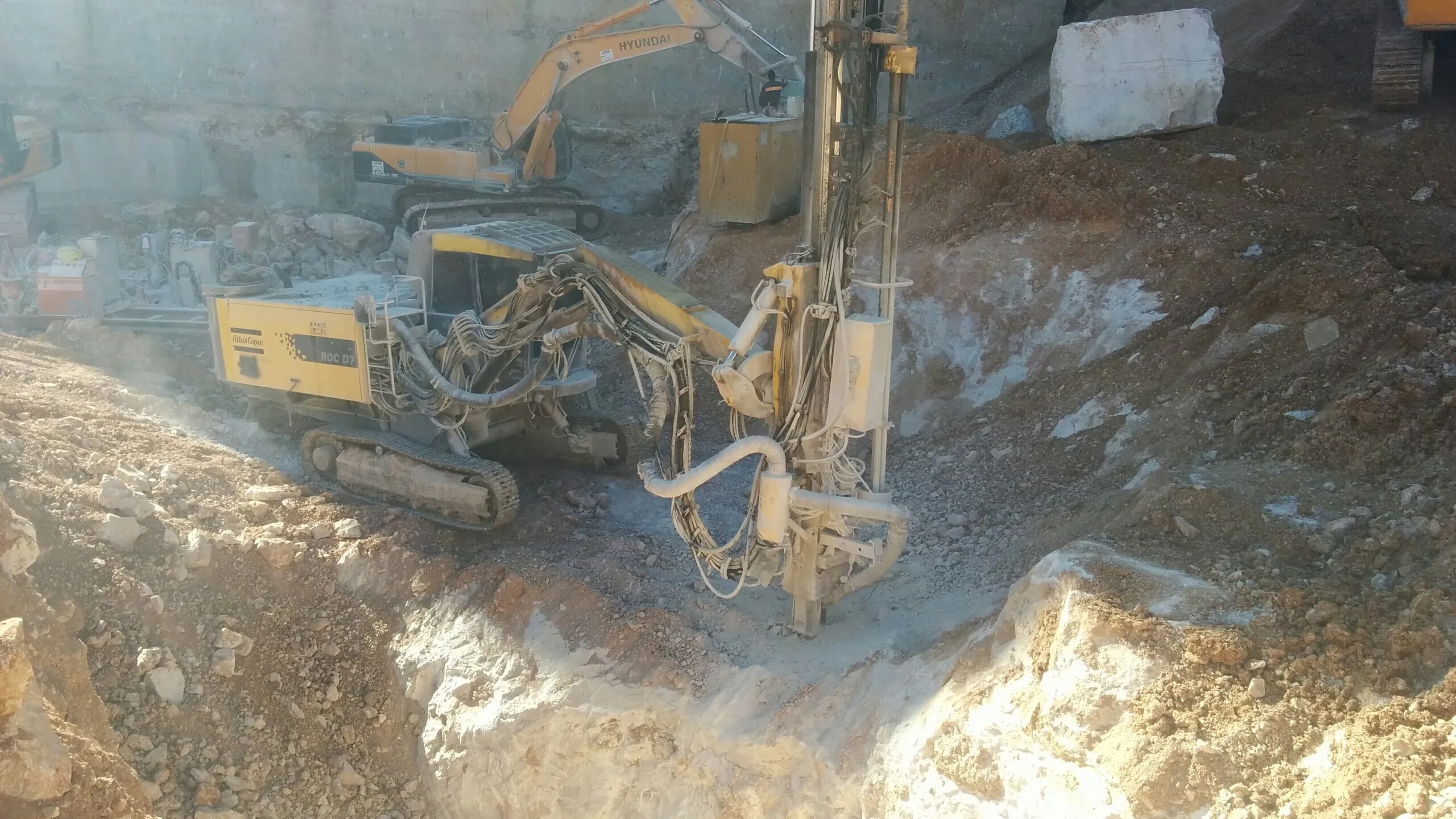
Excavation and shoring for the Eden compound on Eliash Street, Jerusalem, in two phases: excavation, rock cutting and recycling of more than 90,000 m³, shoring piles, ground anchors and a panel wall, and 74 controlled blasts on a city street.
- Client
- R.Y.A. C 1 and Investments Ltd.
- Location
- Eliash Street, Jerusalem
- Years
- 2015–2018
- Status
- Completed
Services
Quantities executed
- more than90,000 m³Excavation, rock cutting and recycling
- 74 blastsControlled blasts
- 70 tExplosives
- 304 mTemporary shoring, double UPN300 beams
- 45 cm diameter, up to 15 mShoring piles
The challenge
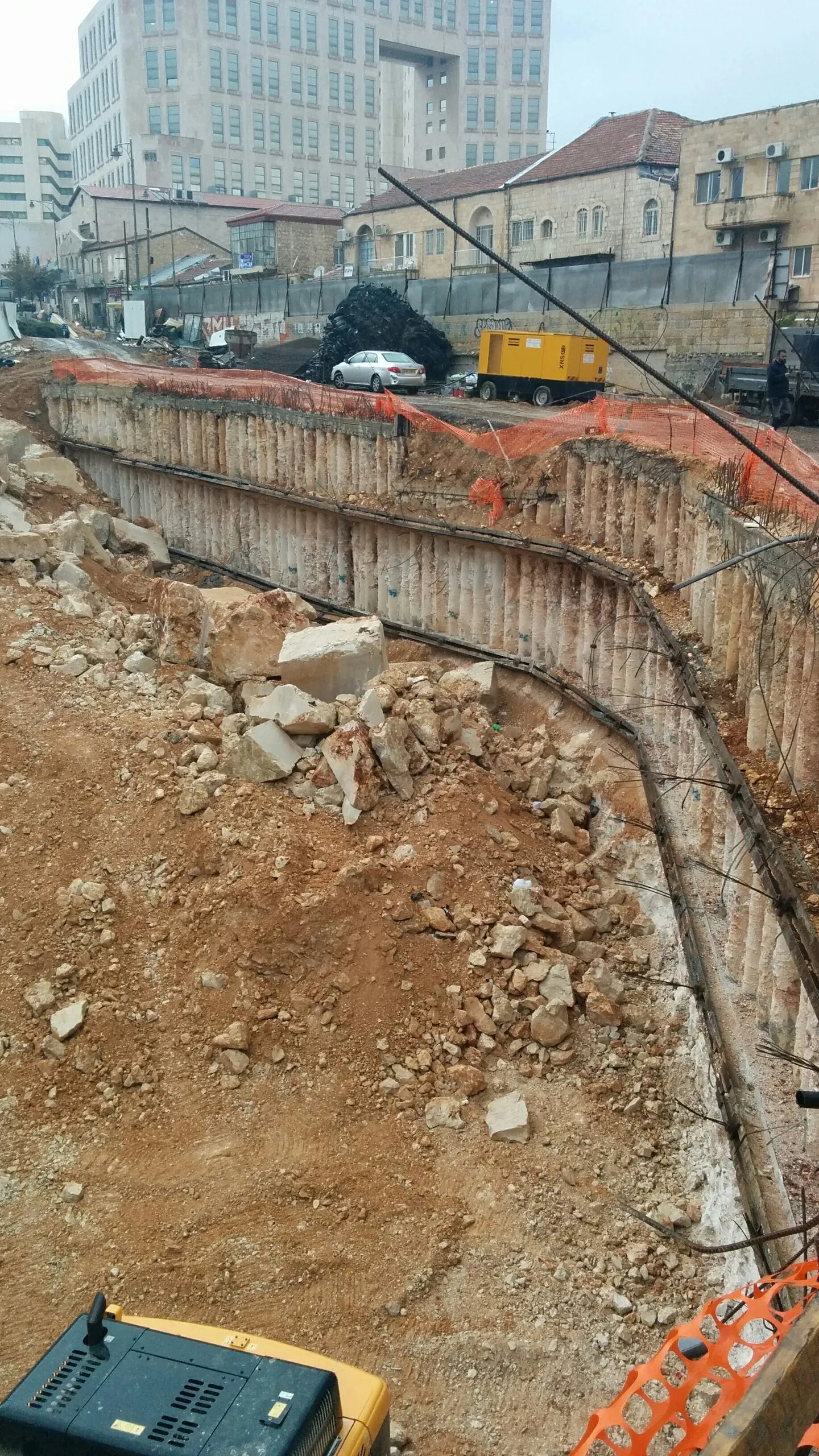
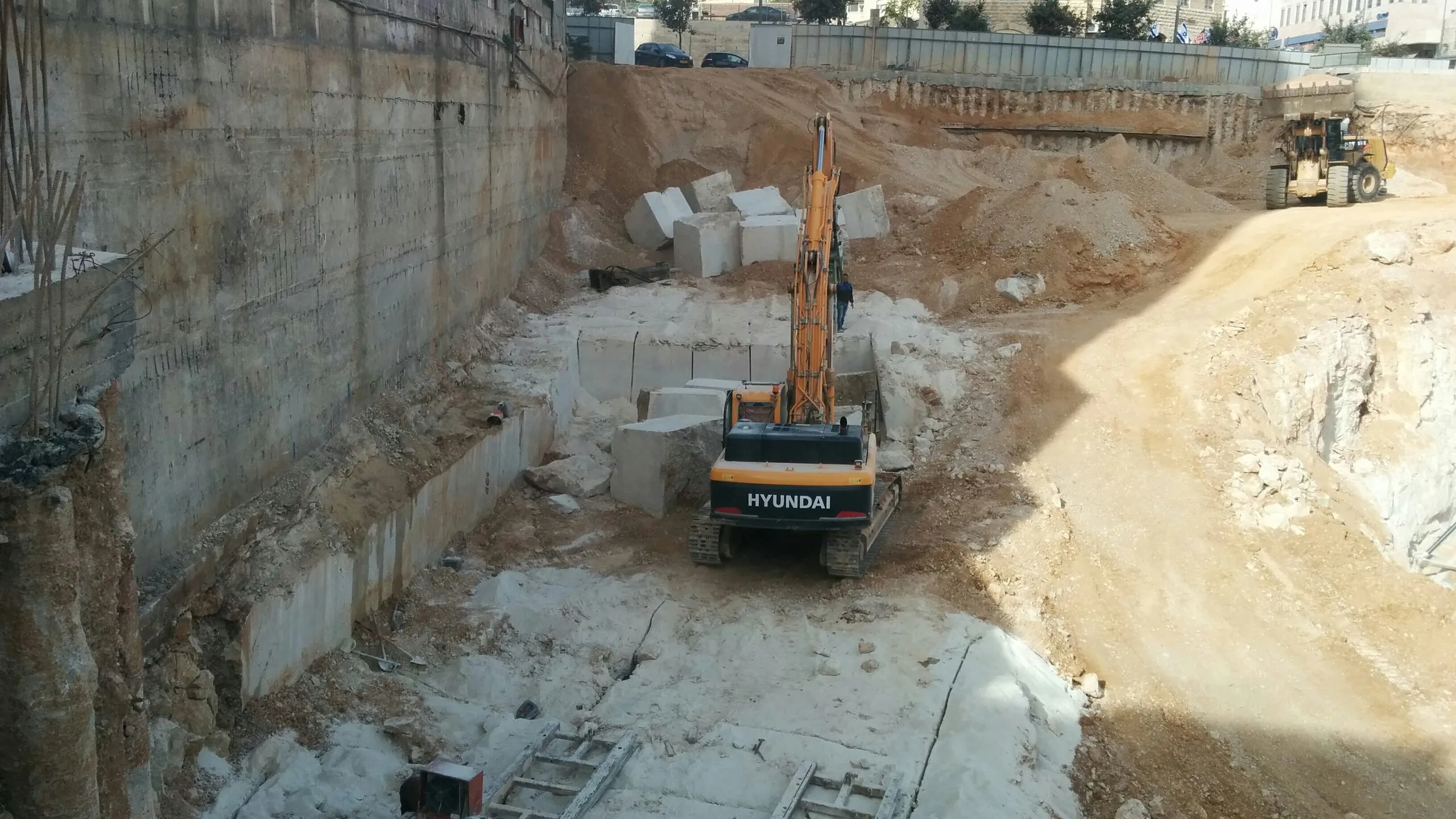
The Eden compound was built on Eliash Street, in the centre of Jerusalem. We carried out the excavation and shoring in two phases, and in all we excavated, cut and recycled more than 90,000 m³. Phase 1 began in July 2015 and covered the demolition of existing buildings, pile shoring, temporary ground anchors and a panel wall, alongside the excavation and rock cutting. In Phase 2, which began in April 2017, we deepened the pit and the rock was cut by controlled blasting: 74 blasts using 70 tonnes of explosives, with street closures and traffic management for every blast. The Phase 1 final account was approved in April 2017 under the stamp of the supervisor, Yigal Levy Architects.
What we did
Phase 1 (2015–2017, supervised by Yigal Levy Architects):
- Demolition of existing buildings
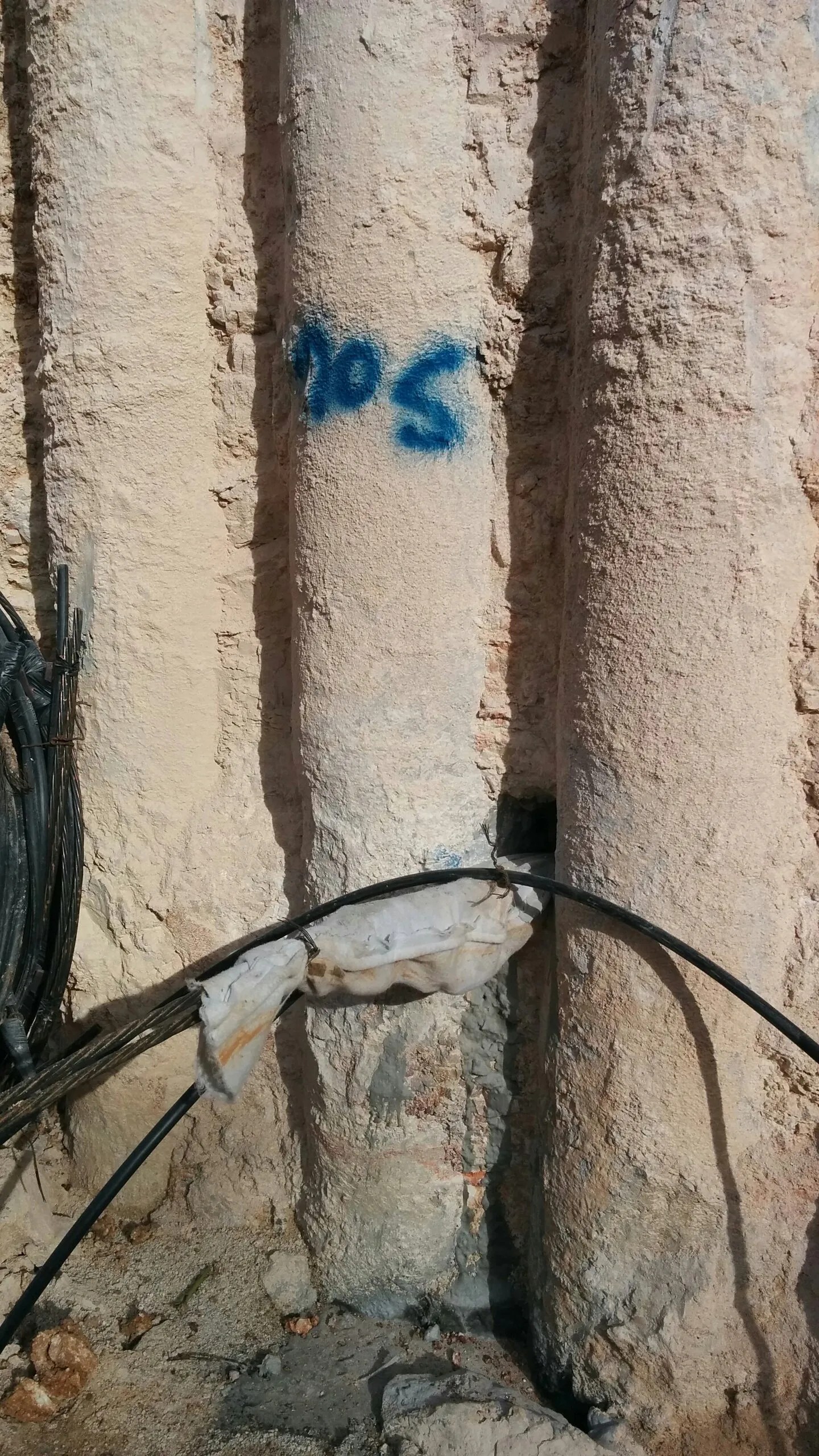
- Shoring piles, 45 cm diameter, up to 15 m deep
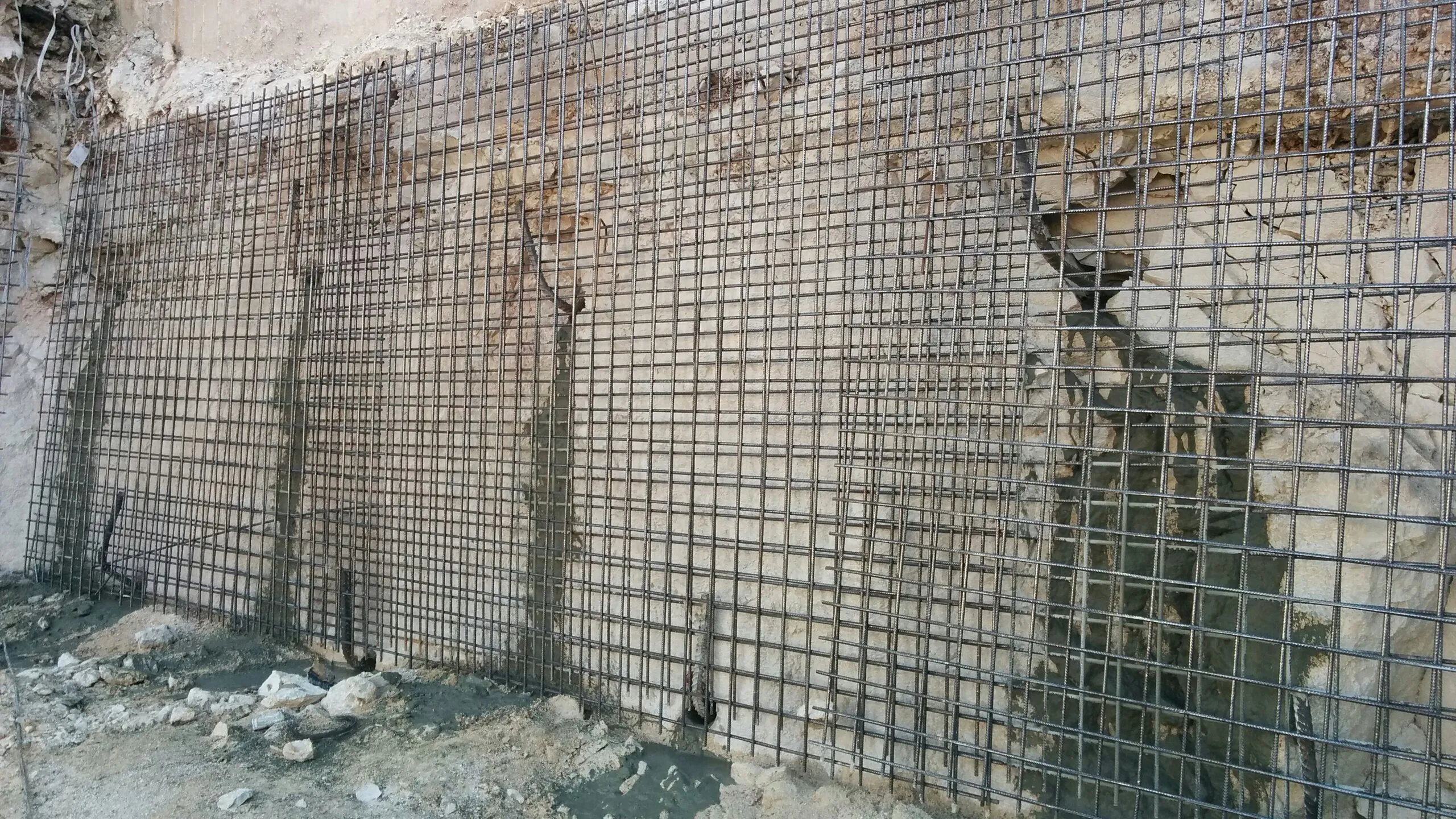
- Temporary ground anchors and a 25 cm panel wall
- Excavation, rock cutting and removal, including crushing and recycling of the material
Phase 2 ("Eden excavation, Phase 2", from 2017):
- Additional and deeper excavation and rock cutting, including crushing and recycling
- 74 controlled blasts, using 70 tonnes of explosives, and 100 traffic-management operations and street closures
- Extension of the access ramp to the bottom of the pit
- Temporary shoring with double UPN300 beams — 304 m
What sets it apart
Rock cutting by controlled blasting on a city street in the centre of Jerusalem. The excavated material was not landfilled: it was crushed and recycled, and the soil was taken, with the approval of the Jerusalem Municipality's Environmental Quality Department, to the receiving site at Sanhedria HaMurchevet, where we carried out the fill works.