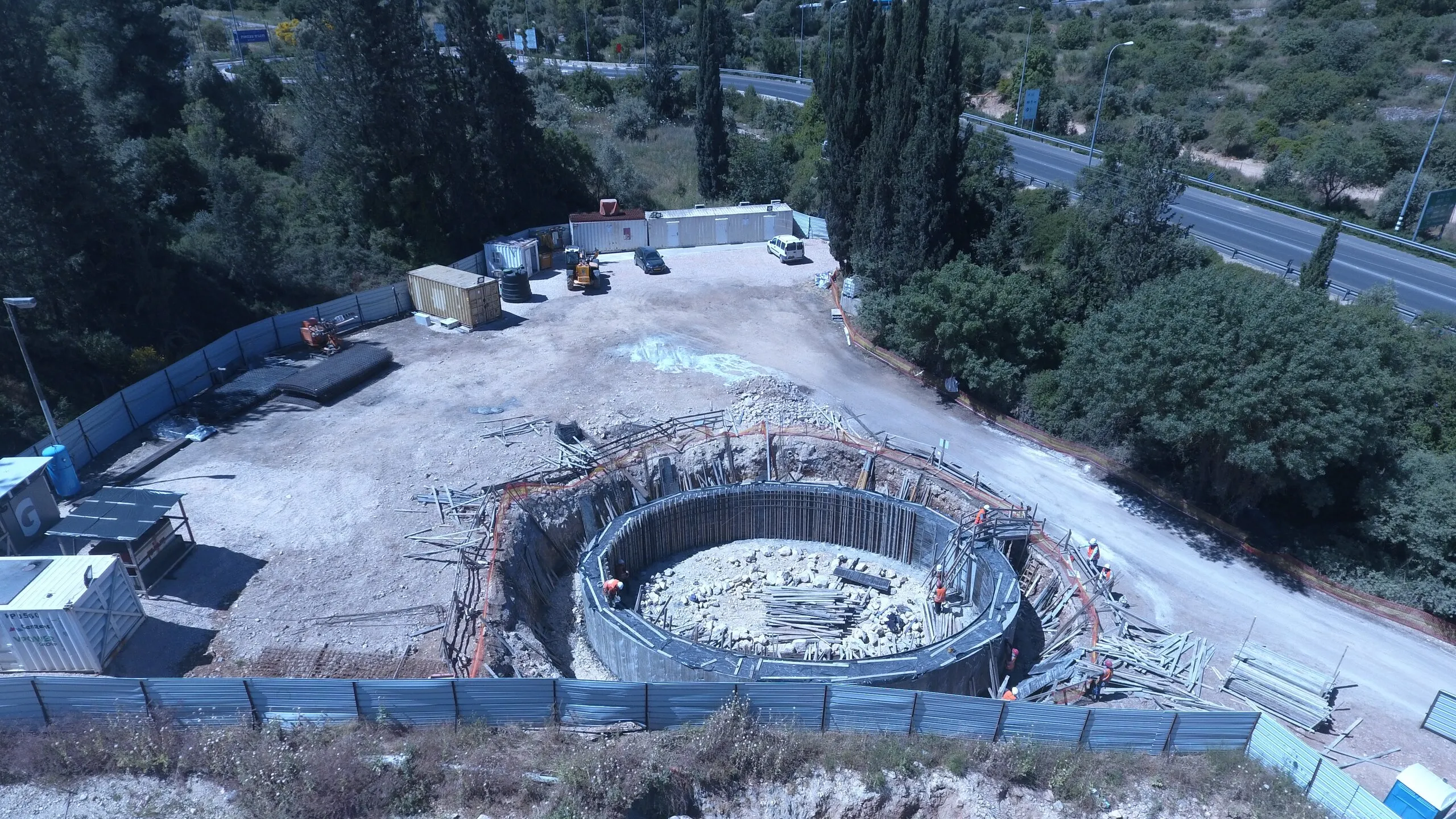
Mekorot station, Ein Kerem
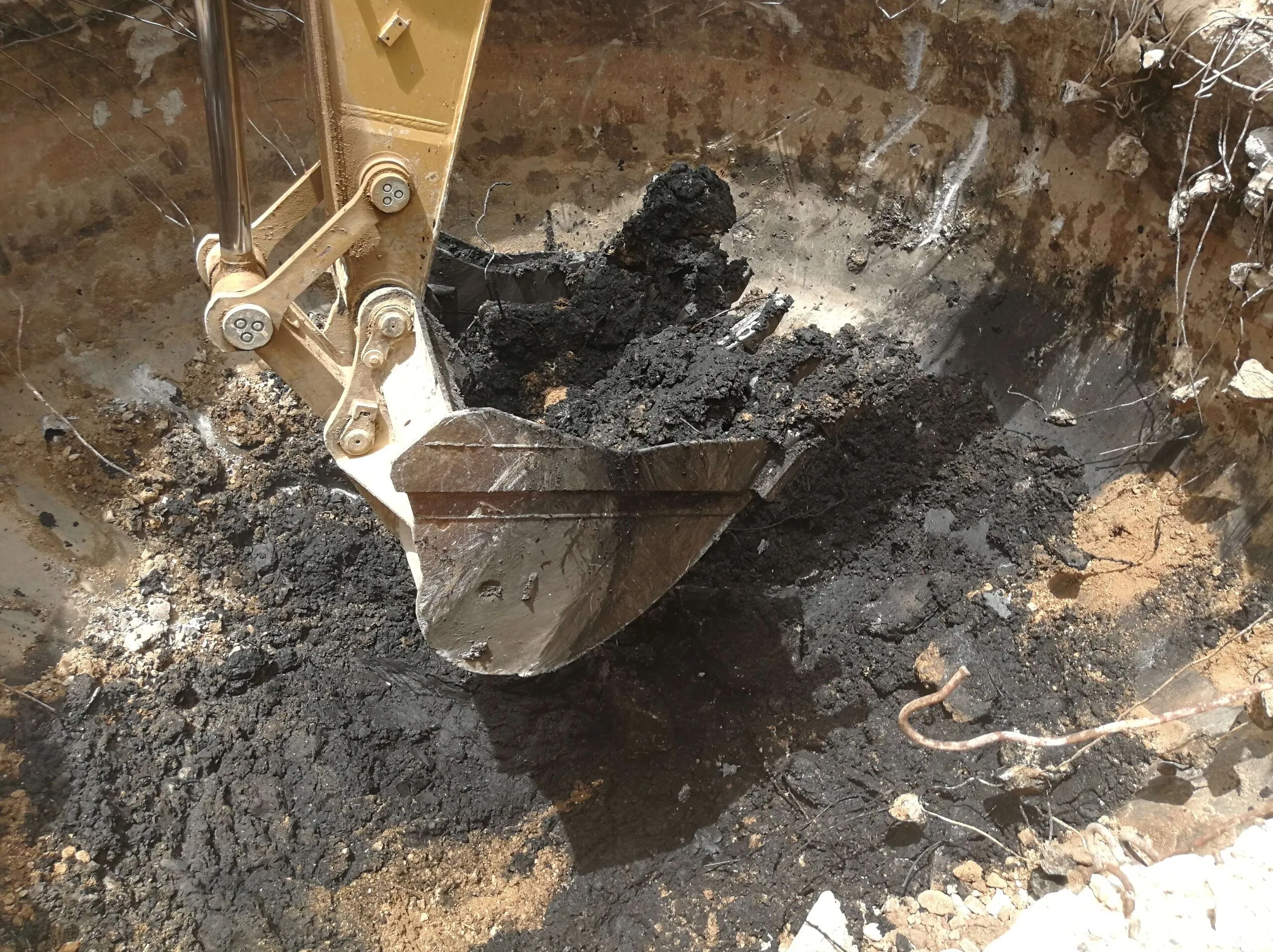
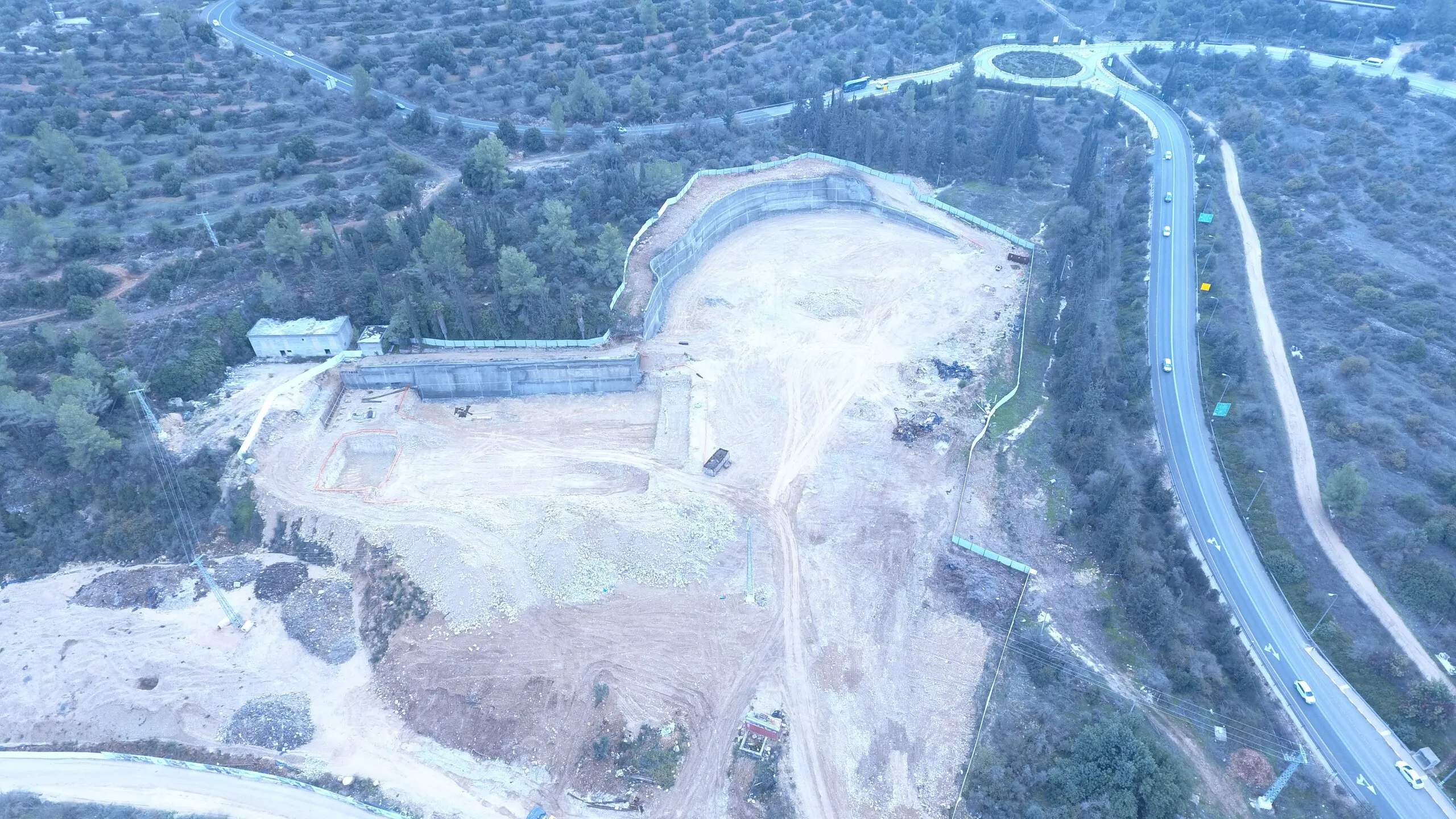
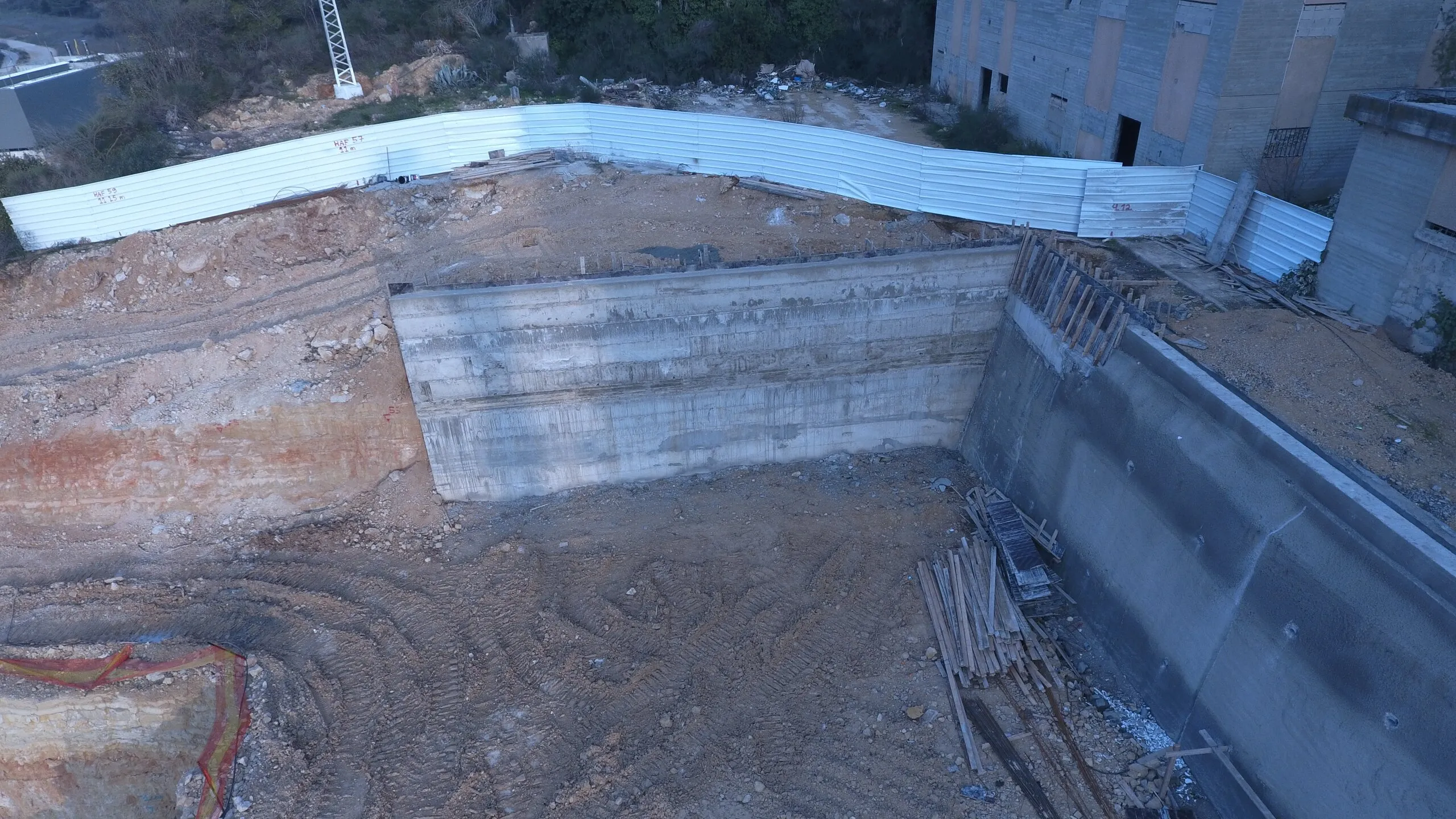
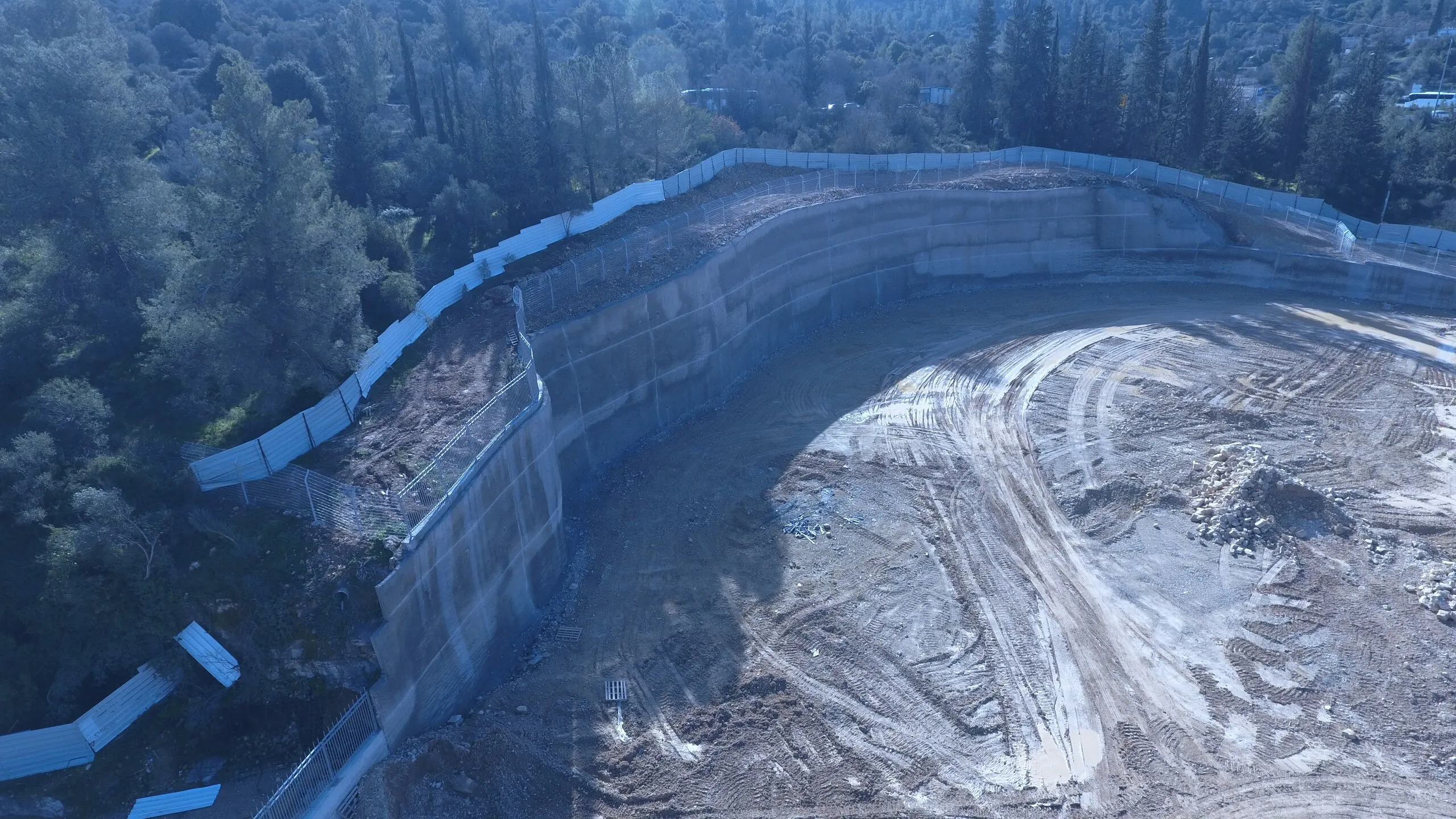
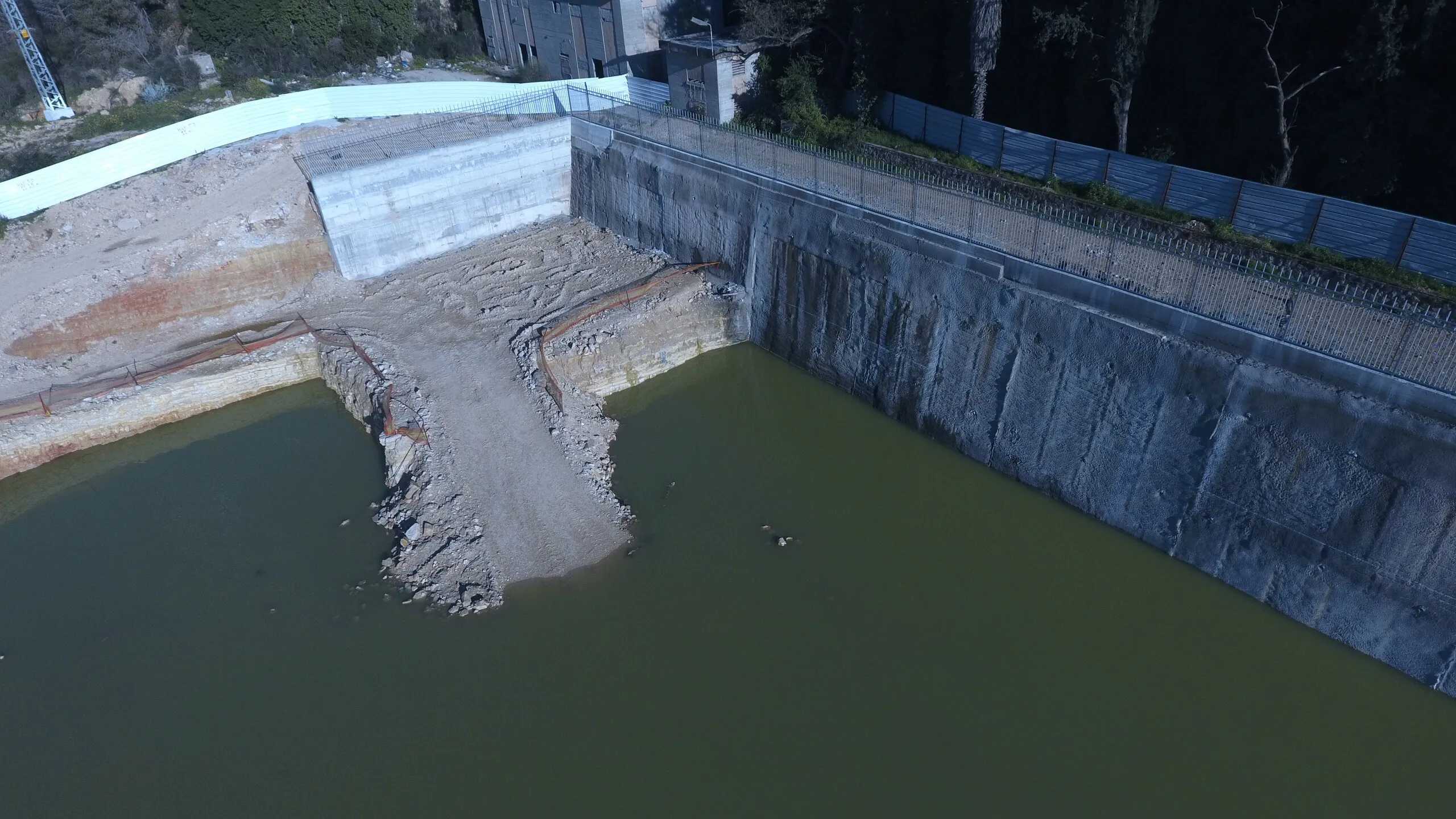
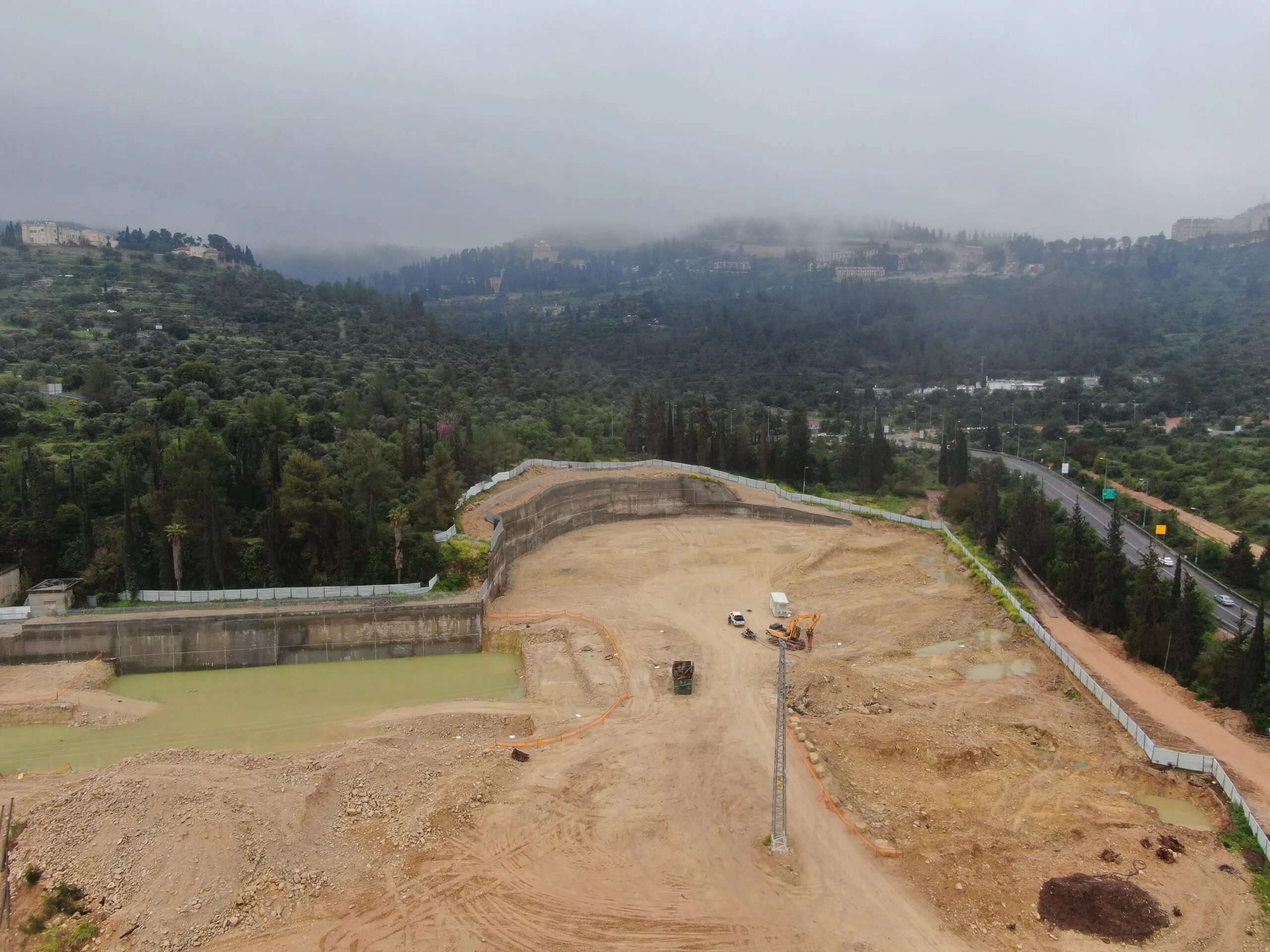
Earthworks for Mekorot's station and reservoir at Ein Kerem, on Jerusalem's fifth water supply system: 84,571 m³ of excavation and rock cutting, shoring with shotcrete, and treatment of tens of thousands of tonnes of fuel-contaminated soil discovered during the works.
- Client
- Mekorot – Israel's national water company
- Location
- Ein Kerem, Jerusalem
- Years
- 2017–2019
- Status
- Completed
Services
Quantities executed
- 84,571 m³Excavation and rock cutting
- 2,224 m²Shotcrete
- 362 m³Capping beams
- Tens of thousands of tonnesFuel-contaminated soil
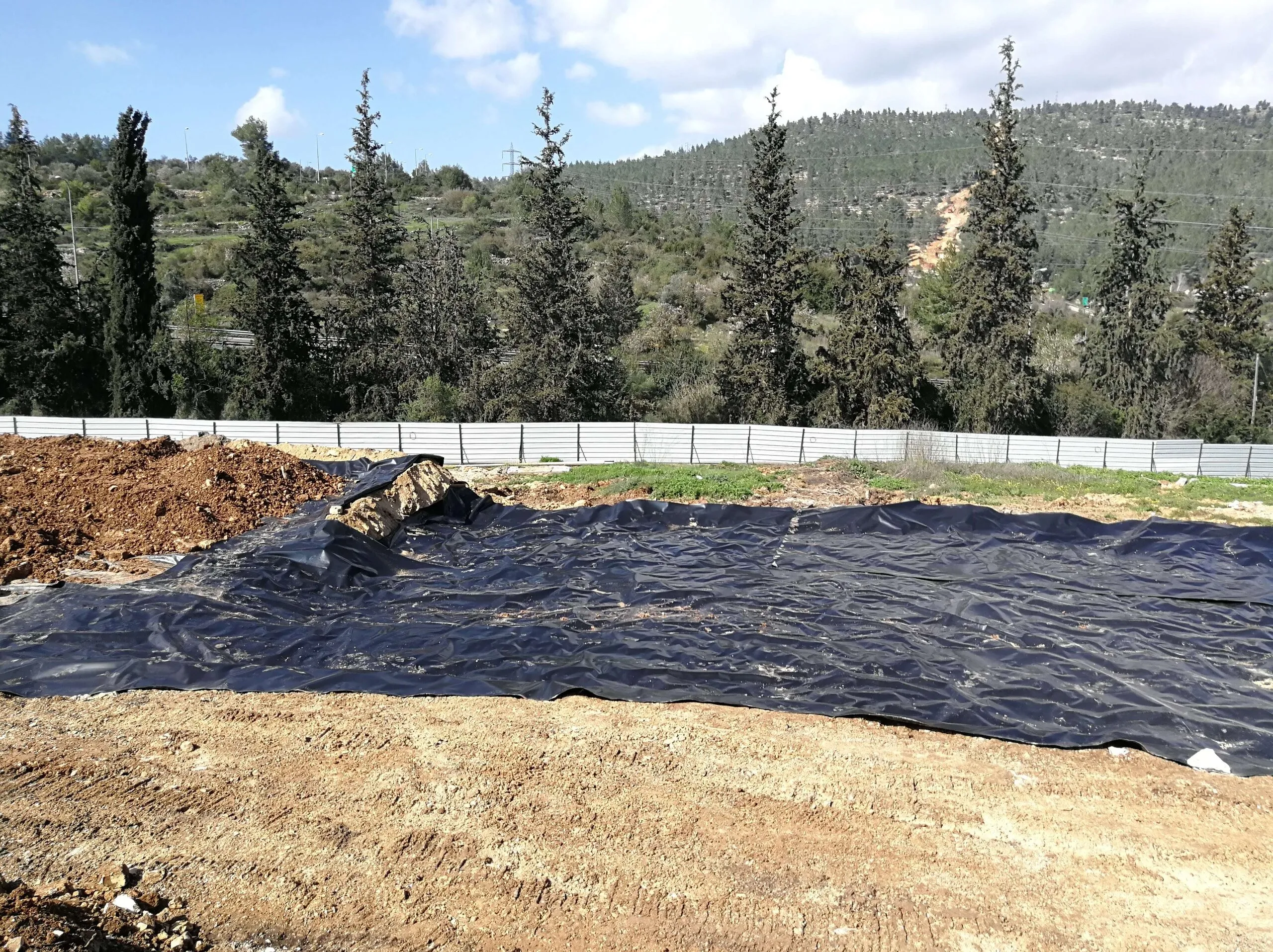
- Over6,000 m²HDPE-lined containment cells
- approx.9,500 tOn-site bioremediation
The challenge
Mekorot commissioned the earthworks for the station and reservoir of Jerusalem's fifth water supply system, at Ein Kerem. The work commencement order was issued on 25 December 2017.
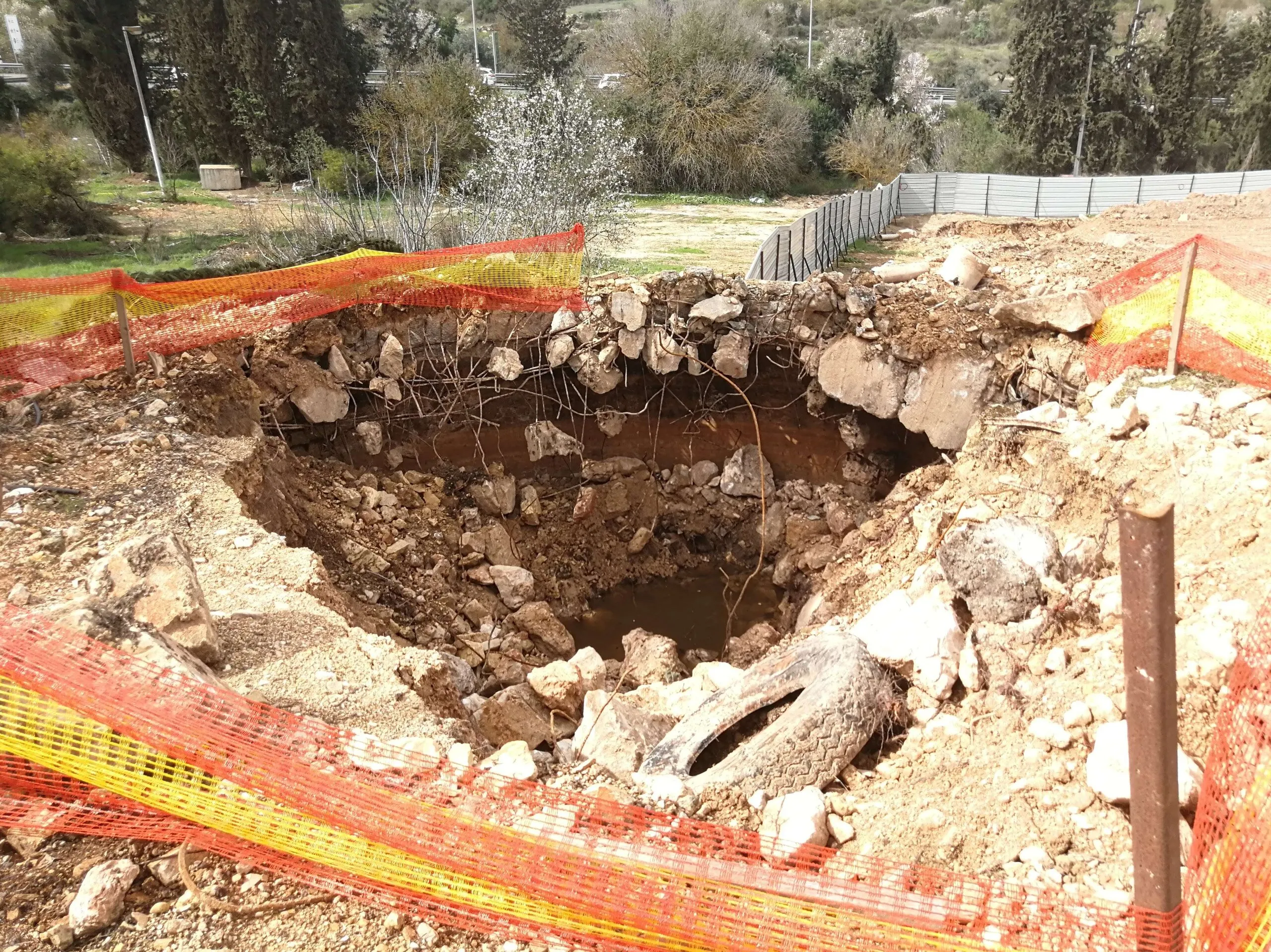
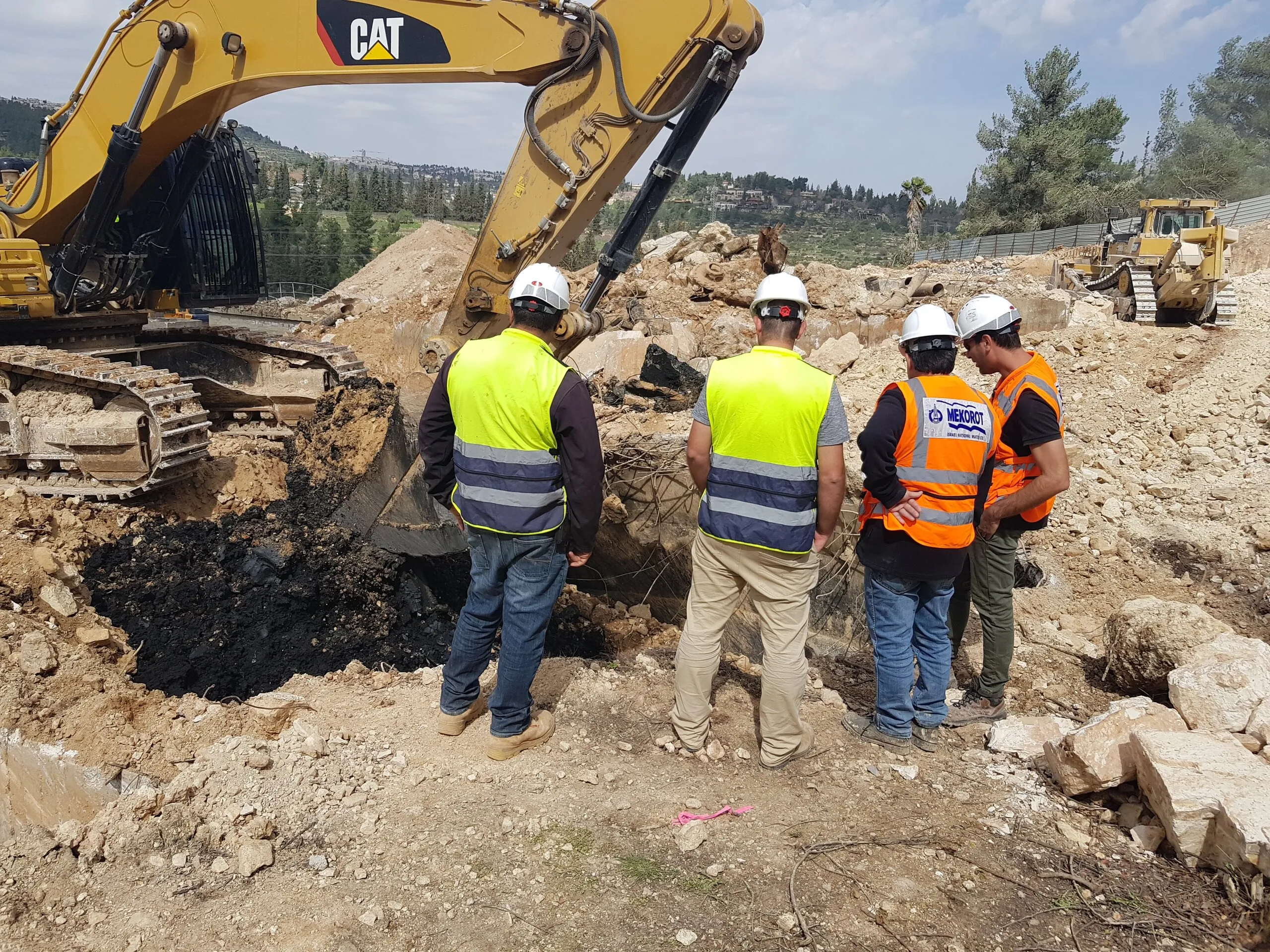
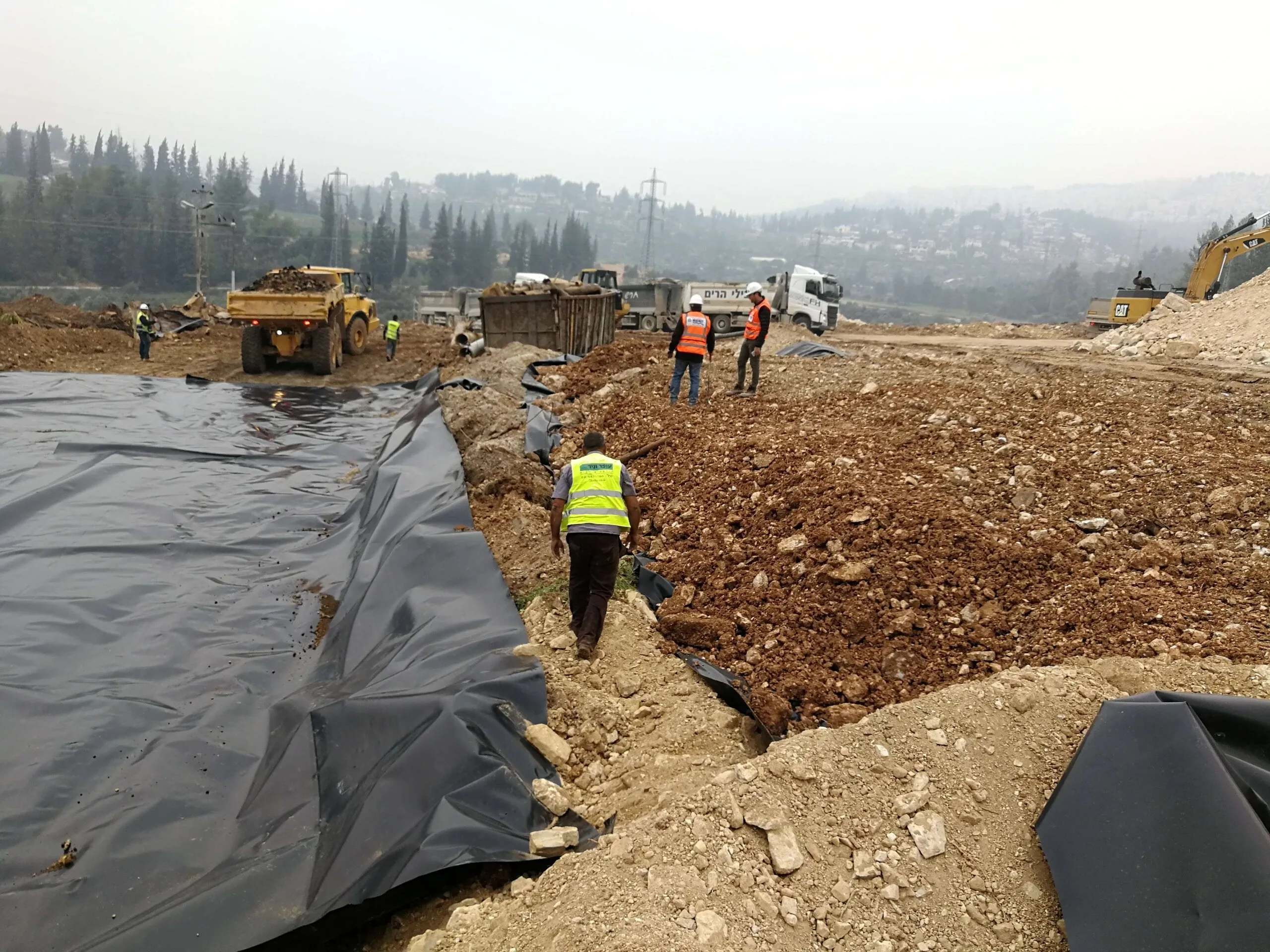
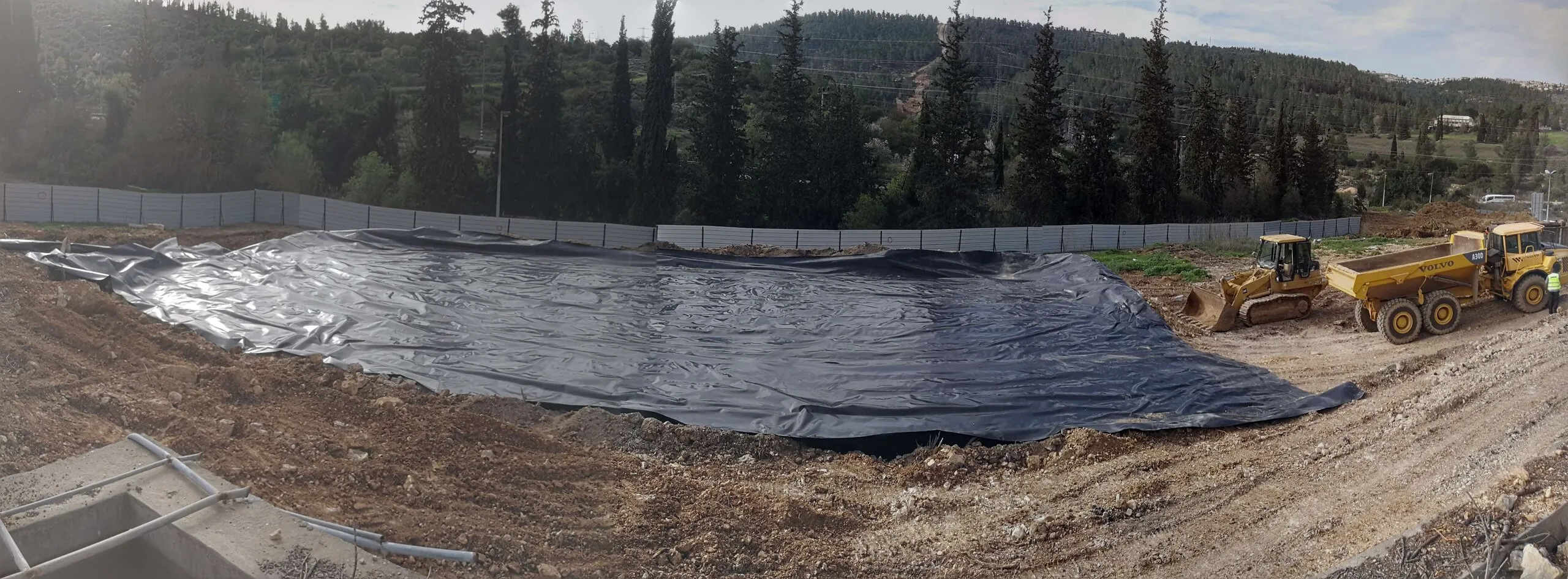
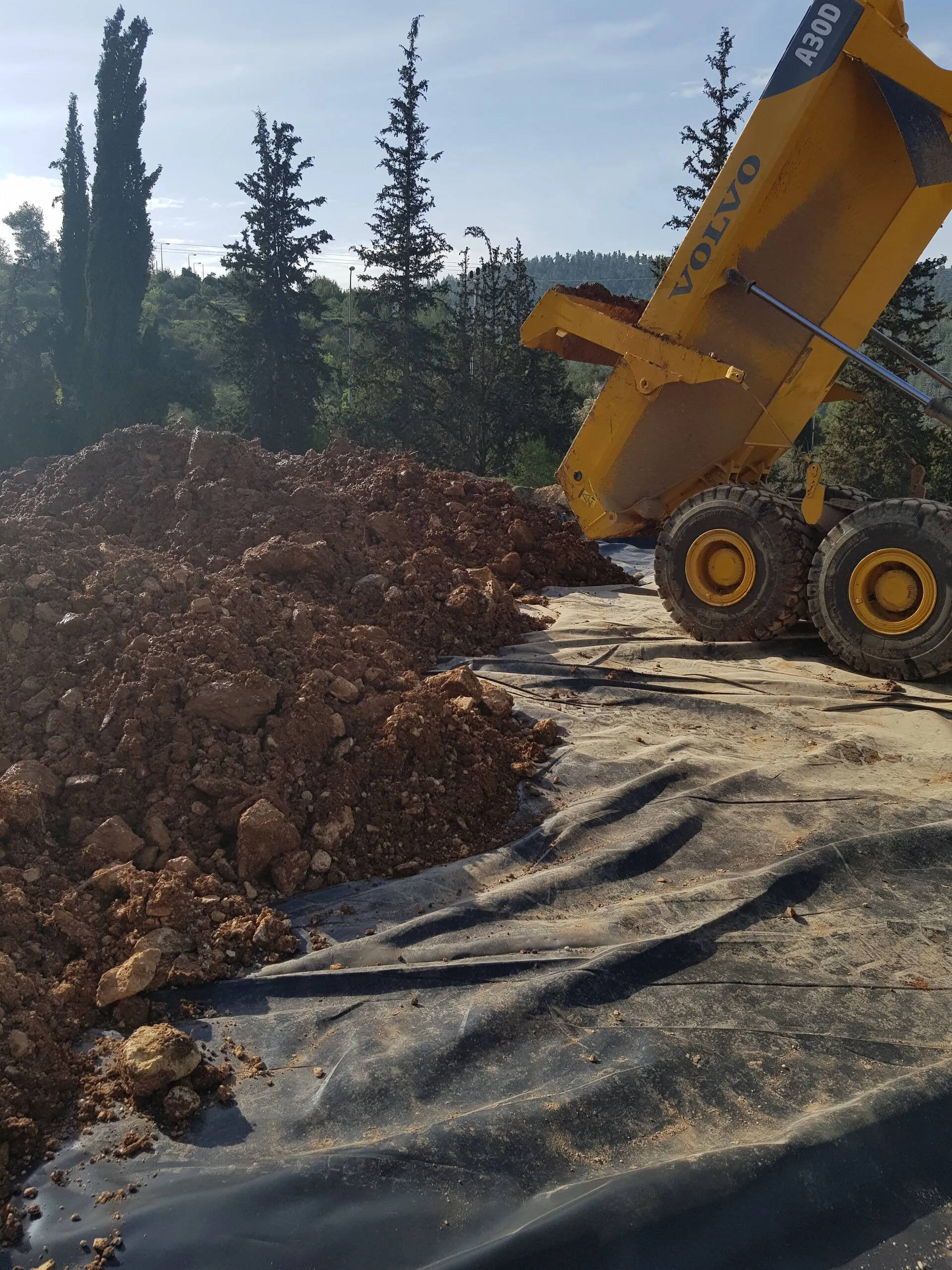
During the works, an exceptional quantity of fuel-contaminated soil was discovered — tens of thousands of tonnes, at concentrations of 100 times the threshold value and more. The company built HDPE-lined containment cells covering more than 6,000 m², and carried out on-site bioremediation of about 9,500 tonnes, crushing, sorting and controlled removal to licensed end-disposal sites, with an environmental consultant and the approval of the Ministry of Environmental Protection.
What we did
- Excavation and rock cutting — 84,571 m³ (contract: 74,100 m³)
- Shoring and wall support: shotcrete — 2,224 m²; capping beams — 362 m³
- Demolition of buildings and in-ground systems
- Reinforced concrete walls
- Contaminated soil treatment: HDPE-lined containment cells, on-site bioremediation, crushing, sorting and controlled removal to licensed end-disposal sites
- Fencing, felling, transplanting and preservation of trees
- Sub-base and asphalt carriageway paving
- Underground infrastructure: sewage and drainage
What sets it apart
The contaminated soil was treated under the supervision of Shetef Environmental Engineering, Mekorot's environmental consultant, and with the approval of the Ministry of Environmental Protection. The actual excavation and rock-cutting volume exceeded the contract quantity by about 14%.